Hot Flashes & Depression
Hot flashes and depressive symptoms feed into each other, but the real connection point isn't what most people think. Here's what the research says about nighttime hot flashes, broken sleep, and where hormone therapy actually fits into the mood picture.
Read More
Acupuncture & Hot Flashes
Acupuncture comes up constantly in hot flash consults, but the real evidence is more nuanced than most clinics let on. Here's what sham-controlled trials actually show, who it genuinely helps most, and what a realistic course of treatment looks like.
Read More
Pain With Sex? There’s Support.
Pain during sex affects far more people than most realize, yet many never bring it up with their healthcare provider. Whether it's related to postpartum healing, endometriosis, pelvic floor muscle tension, vaginal dryness, or another underlying cause, painful intercourse is a symptom—not a diagnosis. Understanding why it's happening is the first step toward finding treatment and getting back to feeling comfortable in your body.
Read More
Before You Panic About Your AMH, Let’s Chat.
AMH is one of the most commonly ordered fertility tests—but it's also one of the most misunderstood. Whether your AMH is high, low, or somewhere in between, this hormone is just one piece of the fertility puzzle. Learn what AMH measures, what it can (and can't) tell you about your fertility, and why your results should always be interpreted in context.
Read More
Pain: The Brain-Body Connection
Pain, fatigue, and brain fog often go hand in hand, leaving many people feeling frustrated and wondering why everyday tasks suddenly feel so much harder. In this blog, Occupational Therapy student Sydney Hillis explores the connection between these symptoms, why they're common in conditions like chronic pain, endometriosis, postpartum recovery, and perimenopause, and how understanding the whole picture can help reduce self-blame and guide supportive, practical strategies for daily life.
Read More
Matrescence: The Invisible Transition
Becoming a mother is more than pregnancy, birth, and caring for a newborn—it's a profound transition that affects your identity, relationships, brain, emotions, and everyday life. Known as matrescence, this often-overlooked stage helps explain why motherhood can feel both joyful and overwhelming. In this blog, Occupational Therapy student Sydney Hillis explores the science behind matrescence and shares how understanding this transition can foster self-compassion and help mothers access the support they need.
Read More
ADHD & Perimenopause
Many women notice their ADHD symptoms intensify during perimenopause. Changing hormones can disrupt focus, memory, emotional balance, and sleep—sometimes revealing ADHD for the first time. This blog explains why this happens, what the research shows, and the steps you can take to feel more steady and supported during this phase. Book a meet‑and‑greet appointment to explore personalised care.
Read More
Burnout, Perimenopause, or Both?
Fatigue, brain fog, poor sleep, and mood changes are often attributed to stress alone. In midlife, the picture is often more complex. This article explores how burnout and perimenopause may overlap, why symptoms can look similar, and how to think more clearly about support.
Read More
I Want to "Check My Fertility"
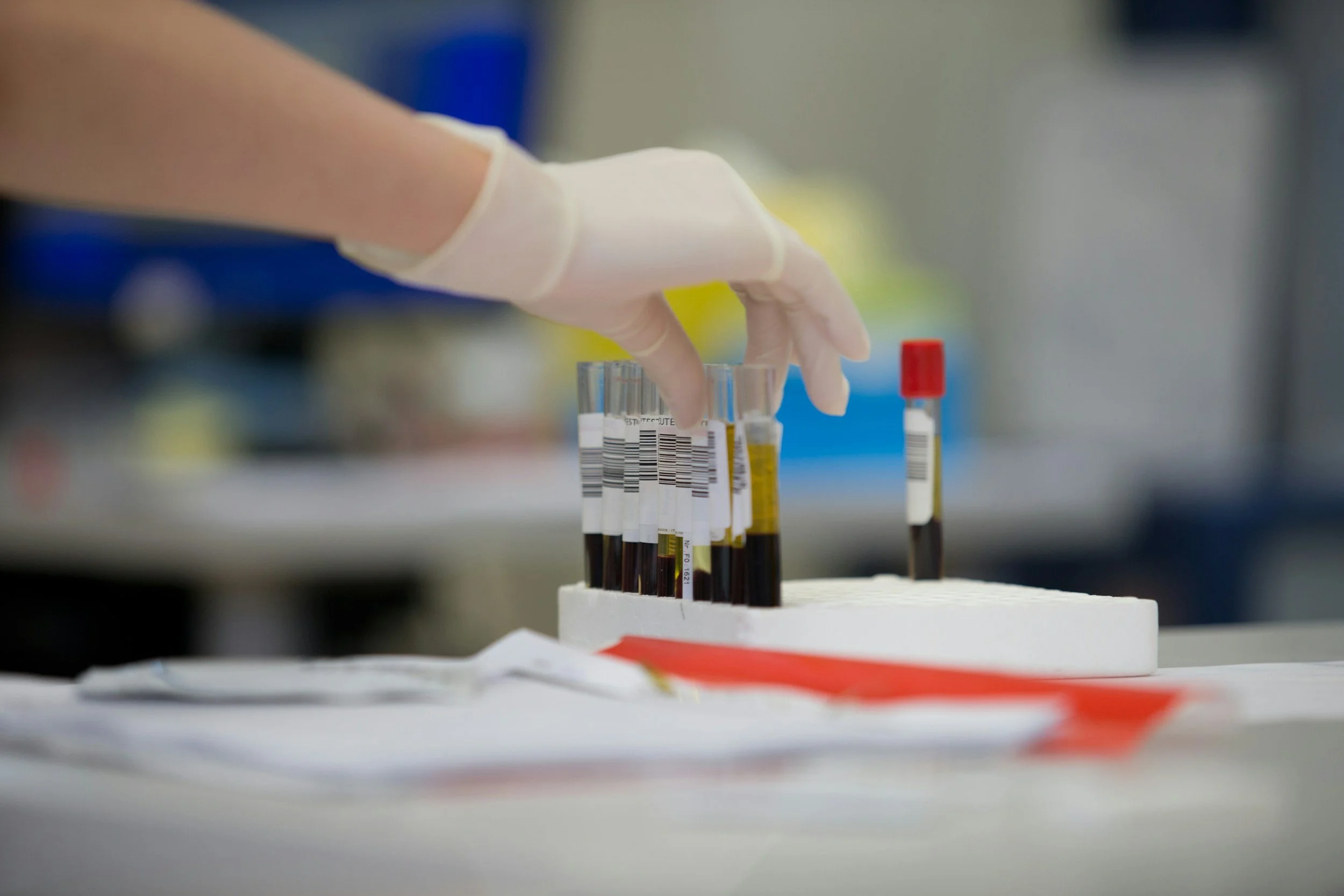
What does it really mean to “check your fertility”? From cycle tracking to lab work and imaging, Dr. Fiona’s blog breaks down the key steps in assessing your fertility, and how to know when it’s time to start.
Read More
Why Do I Not Feel Like Myself in Perimenopause?
Many women entering perimenopause say the same thing: “I just don’t feel like myself.” Research shows this experience is surprisingly common and often linked to symptoms like fatigue, anxiety, irritability, and brain fog
Read More
Endometriosis: More Than Period Pain
If you’ve ever been told your endometriosis is “mild” but your pain feels anything but, you’re not alone. This post breaks down why pain and staging don’t always line up - and what real, whole-person treatment can look like.
Read More
PCOS in Pregnancy: Preventing Miscarriage
Getting pregnant with PCOS is a major milestone—but it isn’t the end of the story. PCOS is more than an ovulatory disorder; it also affects metabolism, hormones, inflammation, and cardiovascular health. These factors play an important role in placental development and can influence pregnancy outcomes. In this blog, Dr. Fiona explores what happens in pregnancy after conception with PCOS, why early monitoring matters, and how targeted support can help reduce risks and promote a healthy pregnancy.
Read More
Periods Changing? The Brain-Ovary Connection
Has your period changed, shortened, or disappeared altogether? Skipped or irregular periods are more common than you might think — especially in young, active, or high-stress individuals. One often-overlooked cause is functional hypothalamic amenorrhea (FHA), a condition where stress or low energy availability disrupts hormone signalling from the brain, leading to cycle changes and low estrogen levels. In this post, we explore what FHA is, why it happens, how it impacts long-term health (including bone density, heart health, and fertility), and when cycle changes warrant further investigation.
Read More
The Changing Models of Desire: Why Libido Looks Different in Perimenopause
If your sex drive feels different in your 30s, 40s, or 50s, you’re not alone. This post explores how our understanding of libido has evolved — and why desire often changes during perimenopause and menopause.
Read More
Dementia Prevention: what we can control
Dementia is uncommon in midlife, but the habits you build now can protect your brain for decades. In this blog, Dr. Madeleine Clark, ND explains why prevention matters in your 40s and 50s, and how lifestyle strategies like the MIND diet, regular exercise, better sleep, concussion prevention, and managing chronic conditions such as hypertension, cholesterol, and diabetes all play a role in reducing dementia risk.
Read More
Brain Fog in Perimenopause
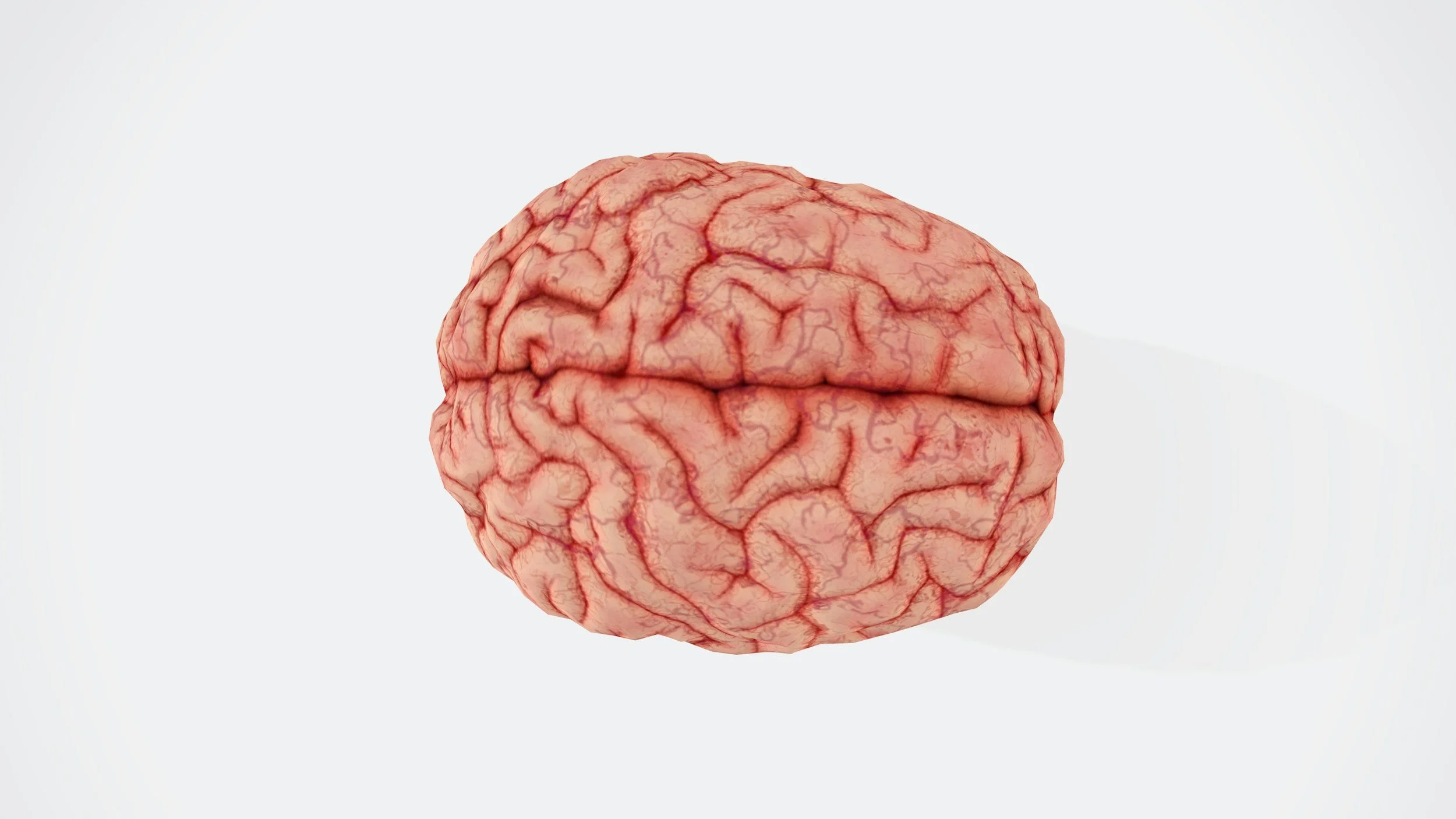
Many women notice brain fog during perimenopause — forgetting names, losing focus, or feeling mentally slower. While these changes can feel alarming, they’re a normal and often temporary part of the menopause transition, not a sign of dementia. This blog explains why brain fog happens, what makes it different from dementia, and practical ways to support memory and focus.
Read More
Depression & Anxiety in Perimenopause
Depression and anxiety are more common during perimenopause, driven by hormonal changes, life transitions, and sleep disruption. Learn why midlife is a “window of vulnerability” for mood changes and how a personalized plan — from therapy and medication to lifestyle and supplementation — can help you feel like yourself again.
Read More